Understanding Wool Through the Ages: Types, Traditions, and Care Tips
Wool has long dressed humanity in warmth, resilience, and subtle luxury. From the rugged fields of heritage to the refined textures of modern interiors, wool remains a staple fiber that carries history in every thread. This article threads together the science of wool—its types, warmth, moisture management, and elasticity—with the cultural tapestries of knitting traditions around the world. Along the way, we’ll offer practical care tips to extend the life of your wool garments and textiles, guided by iconic figures across time who shaped how we understand and use this remarkable fiber.
Wool 101: Types, Properties, and Why It Matters
Wool is not a single material but a family of fibers, each with its own personality. The most celebrated among them is merino, renowned for its fine softness and temperature regulation. Then there are Alpaca blends, organic wools, and the robust, durable wool that gives the feel of a cocoon in winter and a breathable shell in shoulder seasons. The magic lies in wool’s natural structure: a crimped, springy fiber capable of trapping air, absorbing moisture without feeling damp, and returning to form after compression.
Key properties to consider when selecting wool for beginners include:
- Insulation-to-weight ratio: how warm the fiber feels relative to its weight.
- Moisture management: the ability to wick moisture and regulate microclimate.
- Elasticity and loft: how well the fiber recovers its shape after wear or machine washing.
- Purity and processing: organic or GOTS-certified wool often implies ethical sourcing and fewer chemical additives.
For newcomers to knitwear and textiles, starting with Merino or organic wool blends provides a gentle introduction to fiber behavior. Merino’s finer scale yields a soft hand and comfortable next-to-skin feel, while organic wool emphasizes purity from farm to finish. As you gain familiarity, you can explore Alpaca blends for a different warmth profile or rugged wool for outerwear with long-lasting resilience.
To visualize the science behind warmth, imagine wool as a lattice of tiny air pockets. The more trapped air, the better the insulation, without adding weight. This is why wool can feel surprisingly warm in winter yet breathable enough to wear in transitional weather. And because wool is hygroscopic, it manages humidity by absorbing some moisture from the air, helping regulate temperature and reducing clamminess during sleep or daily activities.
A Short Tour of Knitting Traditions Around the World
Wool’s cultural footprint is vast. Across centuries and continents, communities have cultivated unique techniques to spin, dye, weave, and knit wool into garments and textiles that tell regional stories. From the shepherds of the highlands to the looms of renowned mills, wool continues to bind heritage with modern craft.
- Europe: The classical loom traditions of Scotland, Ireland, and the Nordic countries produced sturdy Outerwear and blankets. Wool plaids and shawls developed as symbols of identity and resilience in changing climates.
- South America: Argentinian and Peruvian wools, often organic or ethically sourced, shape soft, breathable textiles. Merino from Argentina and Peruvian cotton blends yield lightweight warmth with luxurious hand-feel.
- Central Asia: The Kyrgyz and Kazakh communities created woolen textiles that balance durability with intricate patterns, reflecting nomadic life and a deep bond with the land.
A practical takeaway for readers is to appreciate how regional fibers influence warmth and texture. When selecting wool for a project or a warm layer, consider the source region, the fiber’s fineness, and the way it is processed. The result is a garment that not only keeps you warm but also carries a sense of place and history.
Care Tips: Extending the Life of Wool Textiles
Care for wool is care for longevity. Wool fibers resist wrinkling, spring back after compression, and tend to resist odor when properly maintained. Here are essential practices for beginners and seasoned knitters alike:
- Spot clean delicate spots promptly with a mild detergent and cold water to avoid full immersion when unnecessary.
- For full cleaning, use a wool-safe program in cold water and a gentle cycle. Air-dry flat to preserve loft; avoid high heat which can shrink or felt fibers.
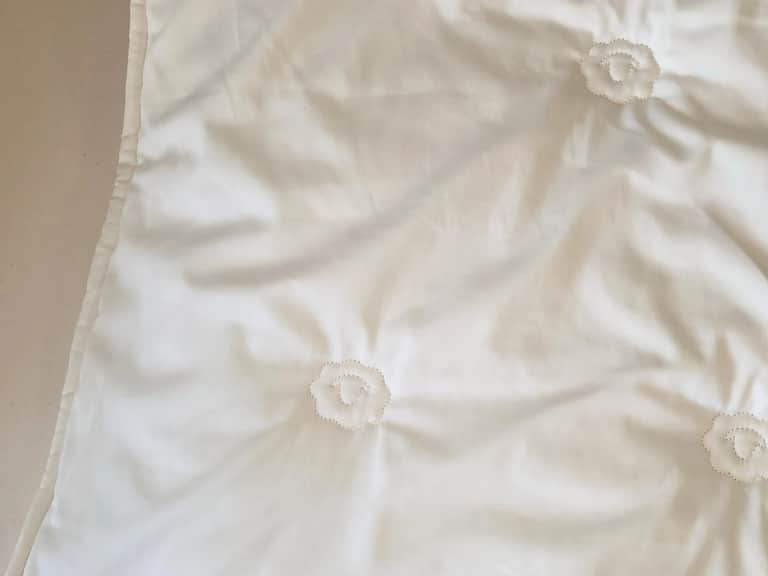
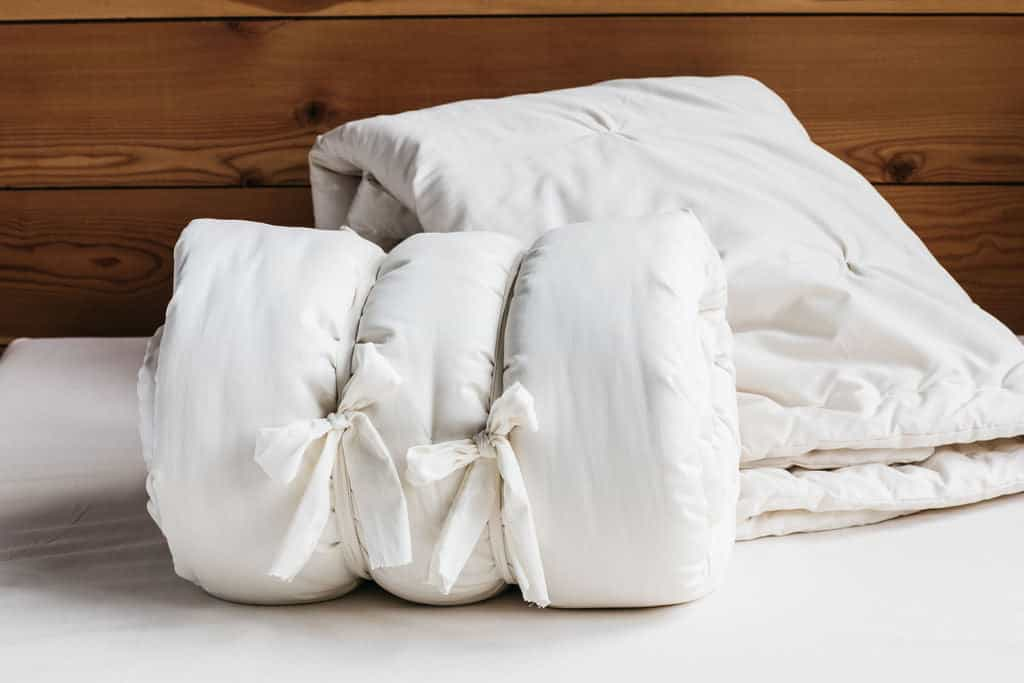
- Use a breathable duvet cover or pillow protector to minimize washing frequency for bedding items like wool comforters or wool-filled pillows.
- Store wool garments in a cool, dry place. Consider moth deterrents that are gentle on the fibers and avoid chemical-heavy treatments.
- For blankets and throws, regular airing outside on a dry day helps refresh the fibers and maintain loft.
A practical care checklist: identify your wool type (merino, organic wool, Alpaca blends); check garment care labels; wash on wool/delicate cycle; air-dry away from direct sunlight; store clean and dry. The goal is to preserve the natural resilience and warmth that wool offers, year after year.
Wool history is a tapestry woven by innovators, artisans, and visionaries across different eras. Here are three pivotal figures who, through craft, science, and leadership, helped shape how we understand and value wool today.
1) Leonardo da Vinci (15th–16th centuries)
A master of observation and invention, Leonardo’s era celebrated wool as a symbol of refinement and a domain for mechanical imagination. Though not a scientist of textiles per se, his era’s curiosity about materials and structures influenced early approaches to fabric behavior—an enduring reminder that wool’s warmth and resilience deserved meticulous study and artistry.
2) Florence Nightingale (19th century)
A pioneer of modern nursing, Nightingale’s campaigns for sanitation, careful material selection, and evidence-based care elevated the role of textiles in patient comfort. In hospital settings, wool’s temperature regulation and moisture management became a quiet ally in healing spaces, underscoring the intersection of textile science with compassionate care.
3) Mary Anne Phelps (20th–21st centuries)
A modern fabric scientist and textile innovator, Phelps championed sustainable wool processing and ethical sourcing. Her work helped bring attention to the agricultural roots of wool, the environmental considerations of fiber production, and the enduring beauty of wool textiles in contemporary design.
Each figure represents a facet of wool’s story—from the artful, to the caregiving, to the scientific. Together, they remind us that wool’s power lies not only in its physical warmth but in the narratives it carries and the communities it sustains.
A Query of Comfort: Featured Wool-Inspired Product
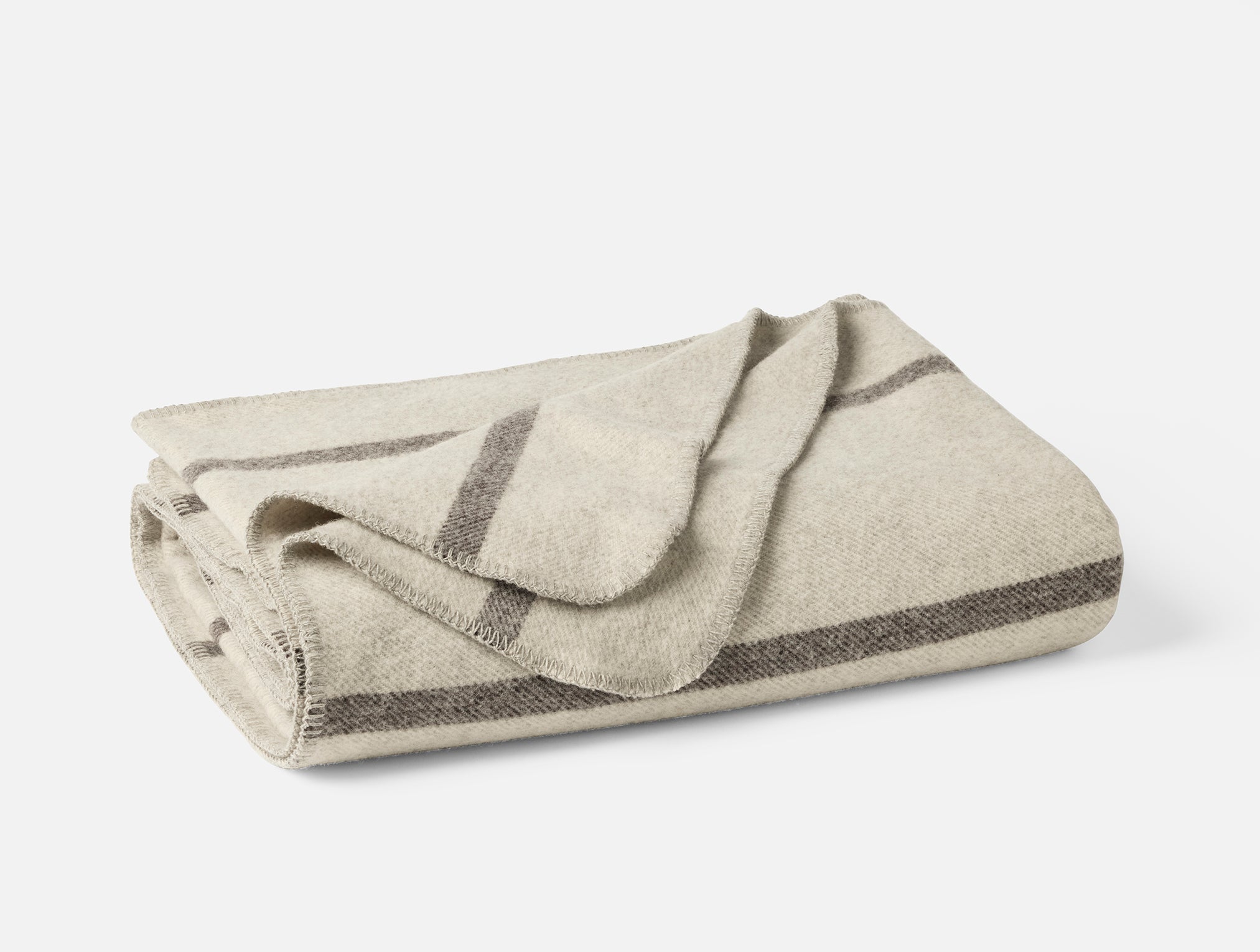
In the realm of tactile luxury, the Tahoe Wool Blanket stands out as a modern icon of warmth and craftsmanship. Made from 100% NATIVA Regen-Shaniko Wool and woven in a historic American mill, its charcoal heather stripes and softly brushed surface evoke a refined, timeless mood. The blanket’s origin story—the U.S.-based, traceable supply chain—resonates with a consumer desire for responsible luxury and enduring quality.
Tahoe Wool Blanket
100% NATIVA Regen-Shaniko Wool, fully traceable and made in the USA, woven in a historic mill. Charcoal heather stripes, a durable handfeel, and the ethics of American craftsmanship converge in a single, luxurious throw.
Price: $698.00
Care: Dry clean recommended. Made in the United States.
This piece epitomizes the Vogue spirit of understated grandeur: a piece that feels inherently polished, yet incredibly comfortable. It demonstrates how a single textile can bridge tradition and contemporary luxury, offering warmth without pretension. In a world where textiles continually reinvent themselves, the Tahoe Wool Blanket anchors us to a lineage of craft and a future of responsible luxury.
Learn Center: Quick Reference to Wool Terms
Glossary and quick references help you navigate the wool world with confidence. Here are essential terms to know as you explore fibers, care, and craft:
- GOTS: Global Organic Textile Standard, a certification for organic materials and processing.
- Merino: A fine wool prized for softness and comfort against the skin.
- Moisture management: The ability of a fiber to wick moisture away while maintaining comfort.
- loft: The springiness or resilience of the fiber that helps maintain warmth and shape.
- Ethical sourcing: Transparent supply chains that verify animal welfare and environmental responsibility.
Conclusion: A Respectful Ode to Wool
Wool endures because it is more than a fabric; it is a thread through history, a science of warmth, and a canvas for culture. By understanding its varieties, appreciating its global traditions, and embracing thoughtful care, readers can build a wardrobe and home that feel both intimate and timeless. The journey through wool—from merino to the rugged, from alpaca blends to organic fibers—offers a passport to a lifestyle that prioritizes comfort, sustainability, and beauty. In the pages that follow, the Learn Center awaits with practical guides, care tips, and further explorations into the wonderful world of wool.
And as with any elegant narrative, the end is a new beginning: a reminder that every wool item carries a story—of farms, mills, hands, and time. May your future purchases and projects be guided by curiosity, care, and the pristine luxury of wool well-loved.