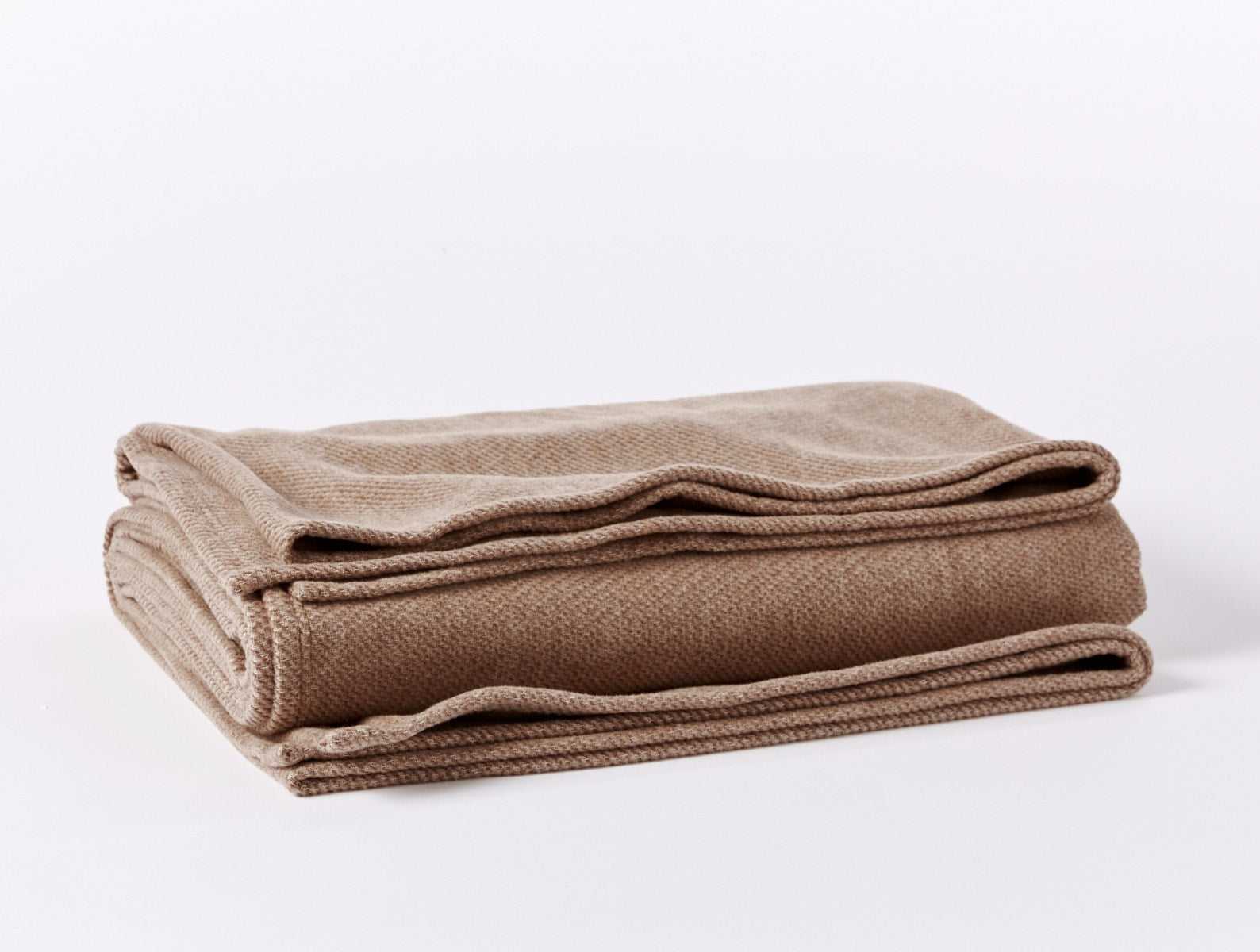
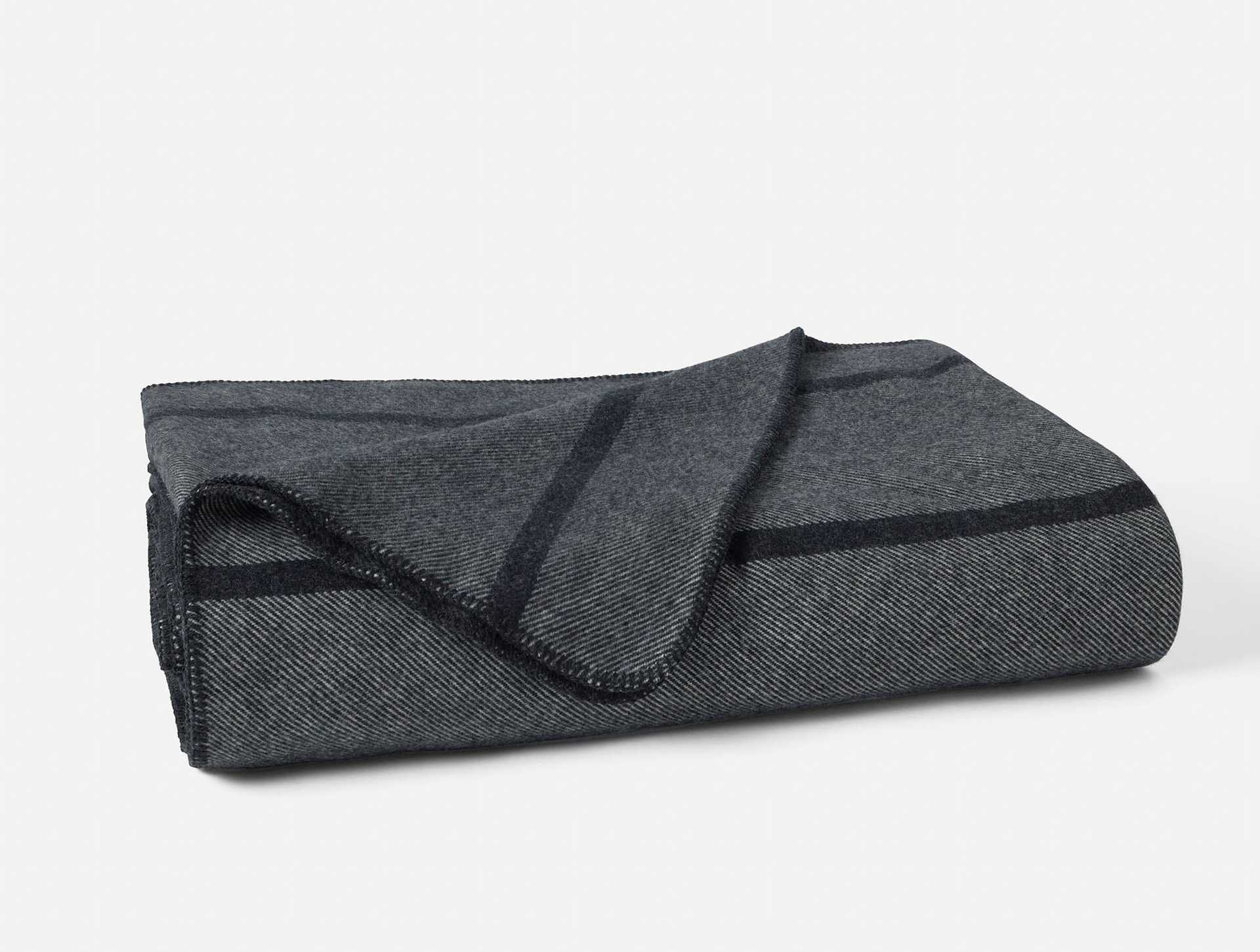
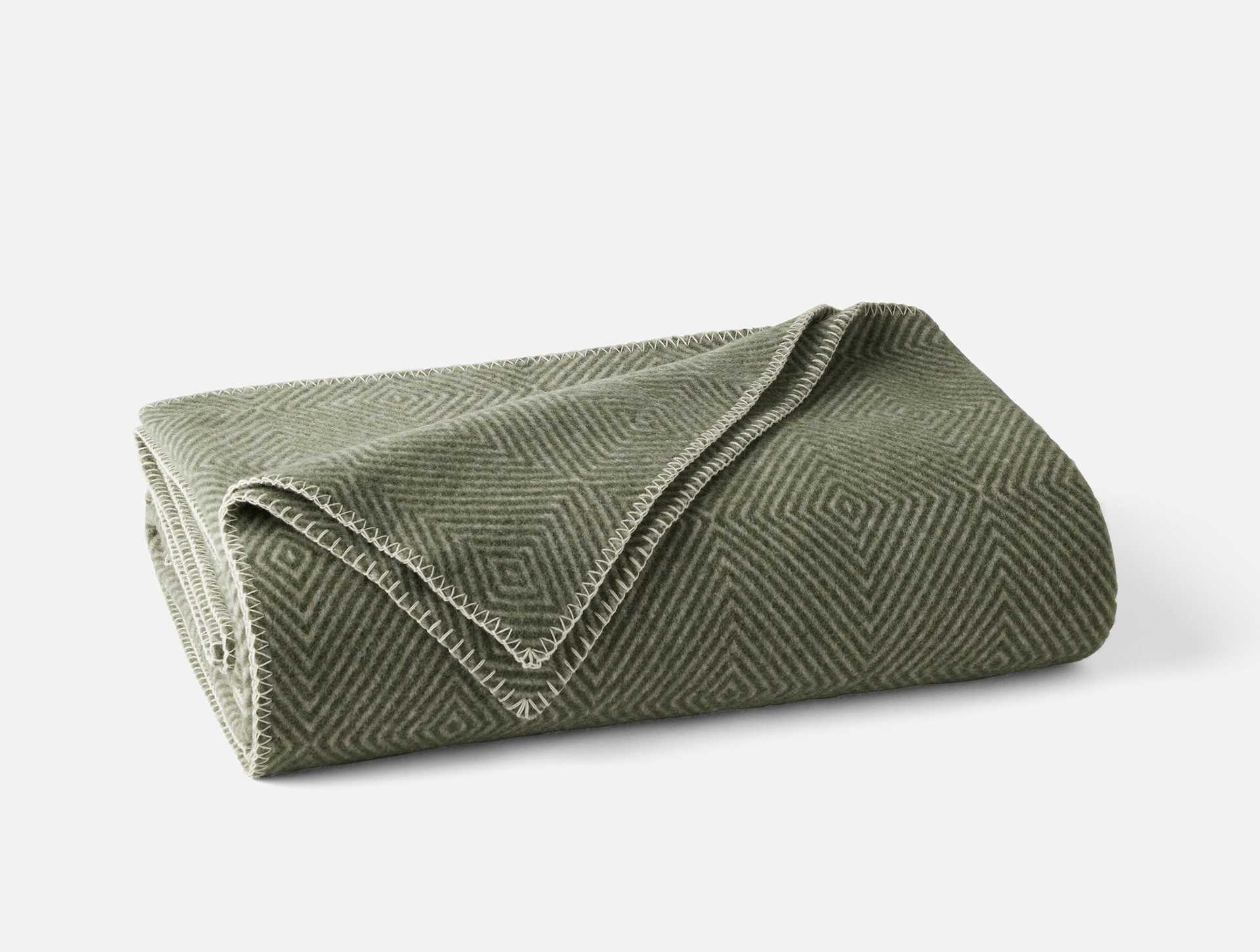
Blankets provide essential warmth and comfort across varied environments, from bedroom spaces to living areas. In this category, materials vary in texture, weight, and insulation, with wool as a notable option for temperature regulation and moisture management. Understanding fabric properties helps choose a blanket that supports restful sleep and year-round coziness.
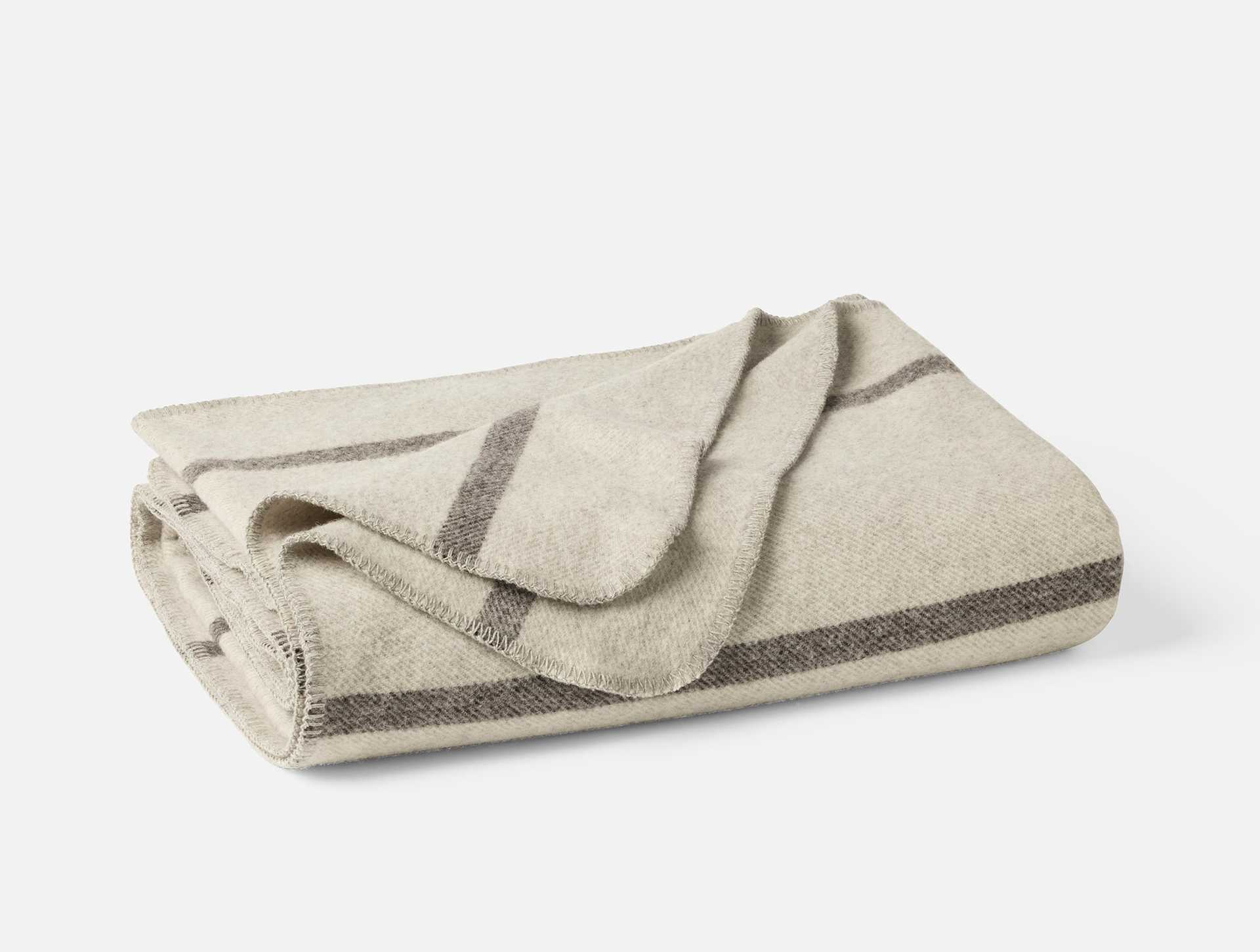
Wool blankets, including the Nid Blanket, harness natural fibers that insulate while remaining breathable. The Nid Blanket typically features a soft hand feel, durable weave, and intrinsic temperature adaptability, making it suitable for layered bedding or as a lightweight cover during transitional seasons. These attributes align with practical comfort and long-term usability.
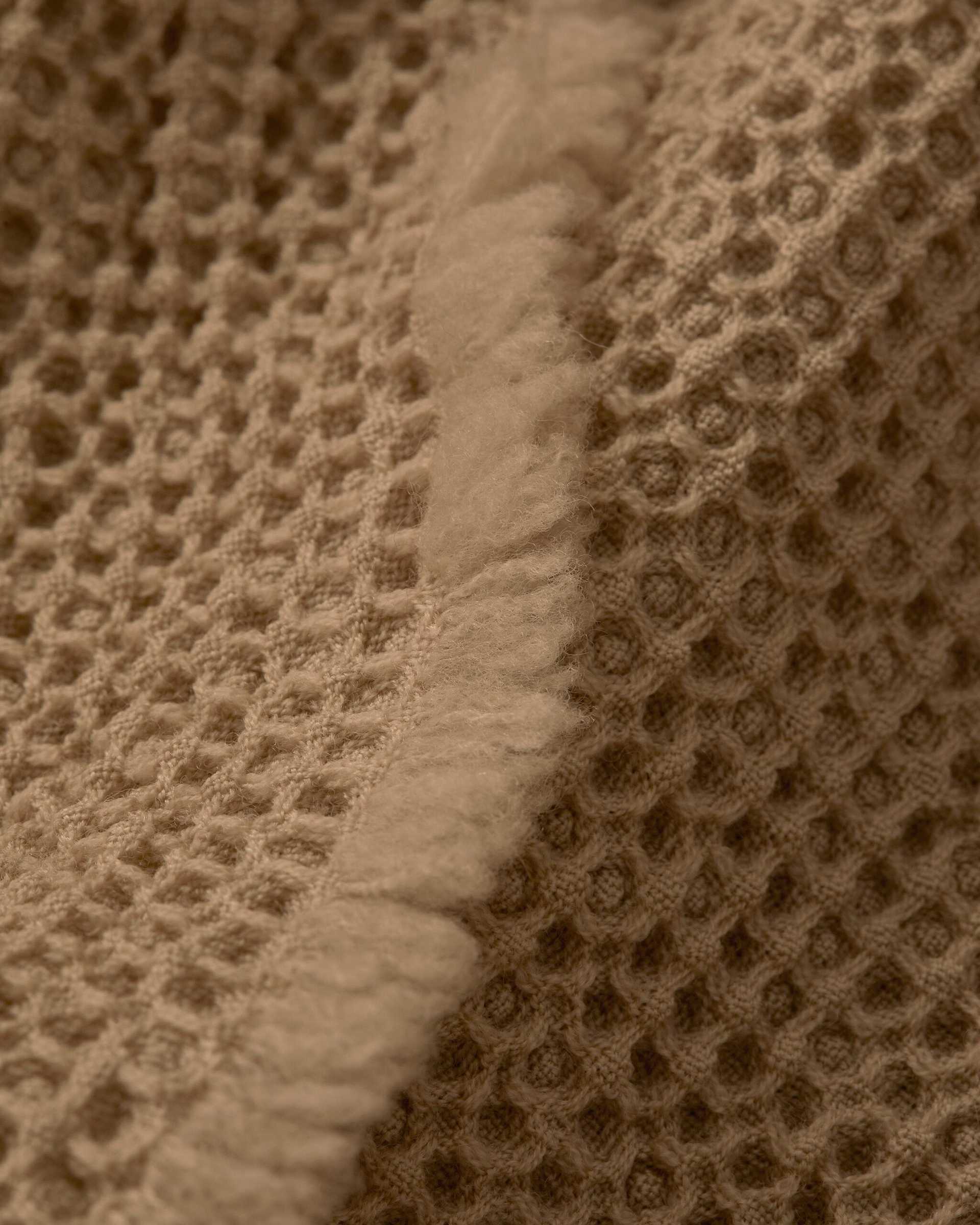
Key features to consider include fiber origin, weave density, and care requirements. Wool is renowned for its durability and resilience, often maintaining loft after repeated use. For bedding purposes, choose a blanket with a balanced weight that pairs well with pillows and comforters, promoting consistent body temperature without overheating.
The Nid Blanket exemplifies thoughtful design within the wool category, combining snug warmth with a relaxed, even surface. Functional benefits include thermal regulation, moisture wicking, and reduced fiber migration, contributing to a stable sleeping environment. Such characteristics support a harmonious bedding setup where wool comforters and pillows complement the blanket.
When assessing blankets for the bedroom, consider compatibility with existing bedding fabrics and the overall climate. Natural wool blends or pure wool options can influence care routines and longevity. By evaluating weave, weight, and fiber properties, you can align bedding choices—like wool comforters and pillows—with practical, durable comfort.
 Bedding